

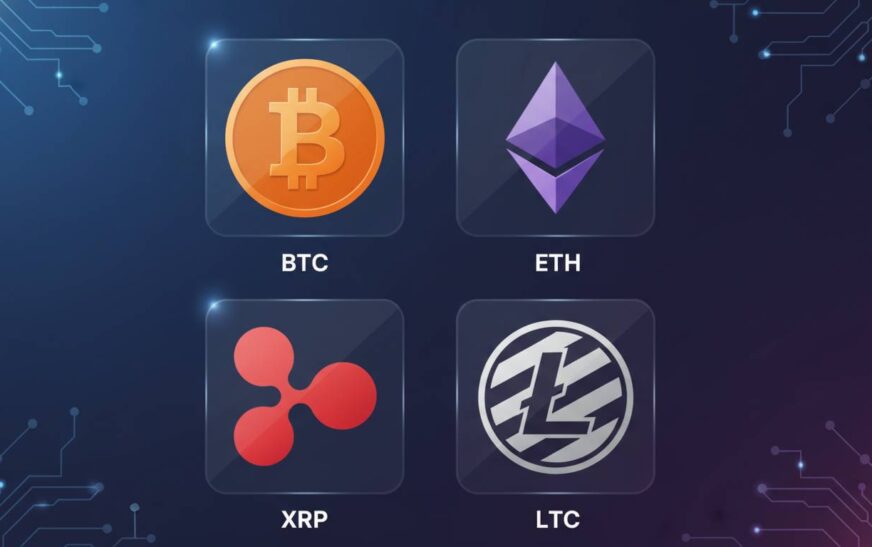
The cryptocurrency market presents one of the most accessible opportunities for individual investors in modern finance. With daily trading volumes exceeding $100 billion and more than 420 million cryptocurrency users worldwide, digital assets have transformed from a niche technology experiment into a legitimate asset class. For beginners in Belize and beyond, understanding how to navigate this market responsibly could open doors to portfolio diversification and potential returns—but success requires knowledge, discipline, and realistic expectations.
This guide walks you through everything you need to begin trading cryptocurrency with confidence, from understanding fundamental concepts to executing your first trade with proper risk management.
What Is Cryptocurrency Trading?
Cryptocurrency trading involves buying and selling digital assets like Bitcoin, Ethereum, and thousands of alternative coins through specialized online platforms called exchanges. Unlike traditional stock markets that operate during specific hours, cryptocurrency markets function 24 hours a day, seven days a week—meaning you can react to price movements at any time.
Key Concepts Every Trader Should Know
The cryptocurrency market operates on fundamental principles that differentiate it from traditional finance. Understanding these concepts forms the foundation of successful trading:
Volatility refers to how dramatically a cryptocurrency’s price changes over time. Bitcoin, the largest cryptocurrency by market capitalization, regularly experiences daily price swings of 3-5%, while smaller altcoins can move 10-20% or more in a single day. This volatility creates both profit opportunities and risks that beginners must respect.
Liquidity describes how easily you can buy or sell a particular cryptocurrency without significantly affecting its price. Major cryptocurrencies like Bitcoin and Ethereum have high liquidity, meaning you can enter or exit positions quickly. Smaller coins may have low liquidity, making it difficult to trade large amounts without moving the market against you.
Market capitalization represents the total value of a cryptocurrency, calculated by multiplying the current price by the number of coins in circulation. Market cap helps investors understand a coin’s relative size and stability compared to other cryptocurrencies.
Exchanges are platforms where you trade cryptocurrency. They match buyers with sellers and charge fees for each transaction. Major exchanges include Binance, Coinbase, Kraken, and KuCoin, each offering different features, fee structures, and supported cryptocurrencies.
Getting Started: Your First Steps
Before executing your first trade, you need to complete several essential setup steps that protect your investment and comply with financial regulations.
Choosing the Right Exchange
Selecting a reputable exchange is perhaps the most critical decision you’ll make as a beginning trader. Consider these factors when evaluating platforms:
| Factor | What to Look For | Why It Matters |
|---|---|---|
| Security | Two-factor authentication, cold storage, insurance funds | Protects your funds from hacks |
| Fees | Transparent fee schedule, maker-taker rates | Affects your profitability |
| Reputation | Years in operation, user reviews, regulatory compliance | Indicates reliability |
| Supported Assets | Coins available for trading | Determines your options |
| User Interface | Demo trading, mobile app, intuitive design | Affects your experience |
For beginners, Coinbase and Binance remain popular choices due to their user-friendly interfaces and strong security track records. Coinbase offers a simpler interface ideal for first-time buyers, while Binance provides more advanced trading features as you grow.
Setting Up Your Account
Once you’ve chosen an exchange, the account creation process typically involves:
- Providing identification (passport, driver’s license, or national ID)
- Completing identity verification (KYC process)
- Enabling two-factor authentication for security
- Connecting a bank account or payment method
- Depositing funds (Belize users often use bank transfers or credit cards)
Most exchanges require verification that takes 15 minutes to several days, depending on their processing volume. Plan accordingly rather than rushing to make trades.
Understanding Wallet Options
While exchanges provide built-in wallets for storing cryptocurrency, experienced traders often use separate wallets for enhanced security:
Hot wallets remain connected to the internet and offer convenience for frequent trading. They’re suitable for small amounts you trade regularly.
Cold wallets store cryptocurrency offline, making them immune to online hacking attempts. Hardware wallets like Ledger and Trezor cost $50-200 but provide superior security for larger holdings.
As a beginner, start with your exchange’s built-in wallet while learning, but research hardware wallets as your portfolio grows.
Fundamental Analysis: How to Evaluate Cryptocurrencies
Successful trading requires the ability to evaluate which cryptocurrencies offer the best risk-reward profiles. Two primary analysis methods guide investment decisions.
Fundamental Analysis examines underlying factors that determine a cryptocurrency’s long-term value:
- Team quality: Research the developers’ experience, track record, and credibility
- Technology: Evaluate the blockchain’s speed, scalability, and unique features
- Adoption: Consider real-world use cases and partnerships
- Tokenomics: Analyze supply distribution, inflation rates, and utility within the ecosystem
Technical Analysis studies historical price patterns and trading volumes to predict future price movements. Traders use charts to identify trends, support levels (price floors), and resistance levels (price ceilings).
For beginners, focusing on fundamental analysis provides a solid foundation before incorporating technical indicators. Understanding what you’re actually investing in matters more than reading chart patterns.
Essential Trading Strategies for Beginners
Developing a trading strategy before risking money separates serious traders from gamblers. Here are approaches suited for those just starting.
Buy and Hold (HODLing)
The simplest strategy involves purchasing cryptocurrency and holding it for an extended period, ideally years. This approach requires patience but historically has produced significant returns for Bitcoin and Ethereum holders. The philosophy accepts short-term volatility in exchange for long-term appreciation.
Dollar-Cost Averaging (DCA)
Instead of investing a lump sum, DCA involves buying fixed dollar amounts at regular intervals—weekly or monthly—regardless of price. This strategy reduces the impact of volatility by spreading your investment across various price points. For example, investing $100 monthly into Bitcoin over two years means you bought at both highs and lows, averaging your cost basis.
Trend Trading
More advanced traders identify established price trends and trade in the trend’s direction. They buy during uptrends and sell or short during downtrends. This strategy requires understanding chart patterns and technical indicators, making it more suitable after gaining experience.
Risk Management: Protecting Your Capital
The cryptocurrency market’s volatility destroys more portfolios than any other factor. Implementing proper risk management protects your capital during inevitable losing periods.
Position Sizing
Never invest more than you can afford to lose entirely. A common guideline suggests risking no more than 1-2% of your portfolio on any single trade. If you have $1,000 to invest, your maximum position in any one cryptocurrency should be $10-20.
Stop-Loss Orders
A stop-loss order automatically sells your cryptocurrency when it reaches a predetermined price, limiting your losses. If you buy Bitcoin at $45,000 and set a stop-loss at $42,000, your maximum loss is approximately 6.7% regardless of how far the price drops.
Portfolio Diversification
Spreading investments across multiple cryptocurrencies reduces the impact of any single asset performing poorly. A beginner portfolio might include 60% Bitcoin, 30% Ethereum, and 10% alternative coins, though your allocation depends on your risk tolerance.
Common Mistakes to Avoid
Learning from others’ mistakes proves far cheaper than making them yourself. Here are errors that consistently trip up new traders:
Trading Based on Emotions
Fear and greed drive impulsive decisions that destroy portfolios. FOMO (Fear of Missing Out) causes buyers to purchase at market peaks, while panic selling locks in losses during downturns. Stick to your predetermined strategy regardless of short-term price movements.
Chasing Pump-and-Dump Schemes
Social media promoting “the next Bitcoin” often involves coordinated manipulation where early promoters sell their holdings after prices rise, leaving latecomers with losses. Research any cryptocurrency thoroughly before investing—If something sounds too good to be true, it probably is.
Ignoring Security
Storing cryptocurrency on exchanges exposes you to hacking risk. The 2014 Mt. Gox collapse and numerous subsequent exchange hacks have cost investors billions. Enable all available security features and consider hardware wallets for significant holdings.
Investing More Than You Can Afford
The allure of quick profits leads beginners to invest savings they need for living expenses. Cryptocurrency trading should involve only disposable income you can afford to lose entirely. The market’s volatility means you might lose half your investment overnight.
Tools and Resources for Continuous Learning
Successful traders never stop learning. These resources help you develop your skills over time:
Market Data Platforms
CoinGecko and CoinMarketCap provide price tracking, market capitalizations, and exchange volume data. These tools help you identify opportunities and understand market movements.
News Sources
Cryptocurrency markets react heavily to news. Stay informed through reliable sources like CoinDesk, The Block, and Decrypt—but always verify information before acting.
Community Forums
Reddit communities like r/CryptoCurrency and r/Bitcoin offer discussion and diverse perspectives. Approach community advice with skepticism since many posters have conflicts of interest or limited experience.
Frequently Asked Questions
Is cryptocurrency trading legal in Belize?
Yes, cryptocurrency trading is legal in Belize. The International Financial Services Commission (IFSC) regulates digital asset service providers, and Belizean citizens can legally buy, sell, and trade cryptocurrencies on registered exchanges. However, always verify your chosen exchange serves Belizean customers and complies with local regulations.
How much money do I need to start trading crypto?
You can start with as little as $10-25 on most exchanges. Some platforms allow fractional purchases, meaning you can buy a small portion of a single Bitcoin rather than a whole coin. Start with an amount you’re comfortable losing entirely, then gradually increase as you gain experience.
Which cryptocurrency should I buy first?
Bitcoin (BTC) and Ethereum (ETH) remain the best starting points for beginners due to their high liquidity, established track records, and extensive resources available for learning. These cryptocurrencies have survived multiple market cycles and represent the largest portion of overall market capitalization.
How do I know when to sell my crypto?
Establish exit strategies before buying. Common approaches include taking profits at predetermined price targets (like doubling your investment) or using trailing stop-losses that lock in gains as prices rise. Avoid emotional decisions—stick to your pre-planned strategy regardless of short-term movements.
Conclusion
Cryptocurrency trading offers genuine opportunities for portfolio growth, but success requires education, discipline, and realistic expectations. The market’s 24/7 nature and significant volatility demand constant attention and emotional control that many investors find challenging.
Start by understanding fundamental concepts, choosing reputable exchanges, and implementing risk management strategies before allocating significant capital. Begin with small positions while learning, and never invest money you cannot afford to lose entirely.
The journey from beginner to experienced trader takes months or years of continuous learning. Remain patient, stay curious, and treat your early trades as education rather than income generation. Those who approach cryptocurrency with knowledge and discipline position themselves to benefit from this evolving asset class—while those who trade carelessly typically become cautionary tales.
Your first trade doesn’t need to be perfect. It needs to be informed.