

The online gambling industry has undergone a technological transformation with the emergence of blockchain casinos, offering players unprecedented transparency, security, and speed. Unlike traditional online casinos that operate on centralized servers, blockchain casinos leverage cryptographic technology to ensure game fairness, process transactions instantly, and eliminate the need for intermediaries. For players in regions like Belize seeking alternative gaming options, understanding how these platforms work could significantly enhance their gambling experience.
What Is a Blockchain Casino?
A blockchain casino is an online gambling platform that operates using cryptocurrency and blockchain technology. These platforms store gaming data, transaction records, and user information on decentralized ledgers rather than centralized servers controlled by a single operator. This fundamental architectural difference creates several advantages that traditional casinos cannot match.
At its core, a blockchain casino uses smart contracts—self-executing programs stored on the blockchain—to automate key gaming functions. When a player places a bet, the smart contract holds the funds in a cryptographically secured manner. Once the game outcome is determined through provably fair algorithms, the contract automatically distributes winnings to the player’s wallet. This eliminates the need for manual processing and reduces the possibility of human error or manipulation.
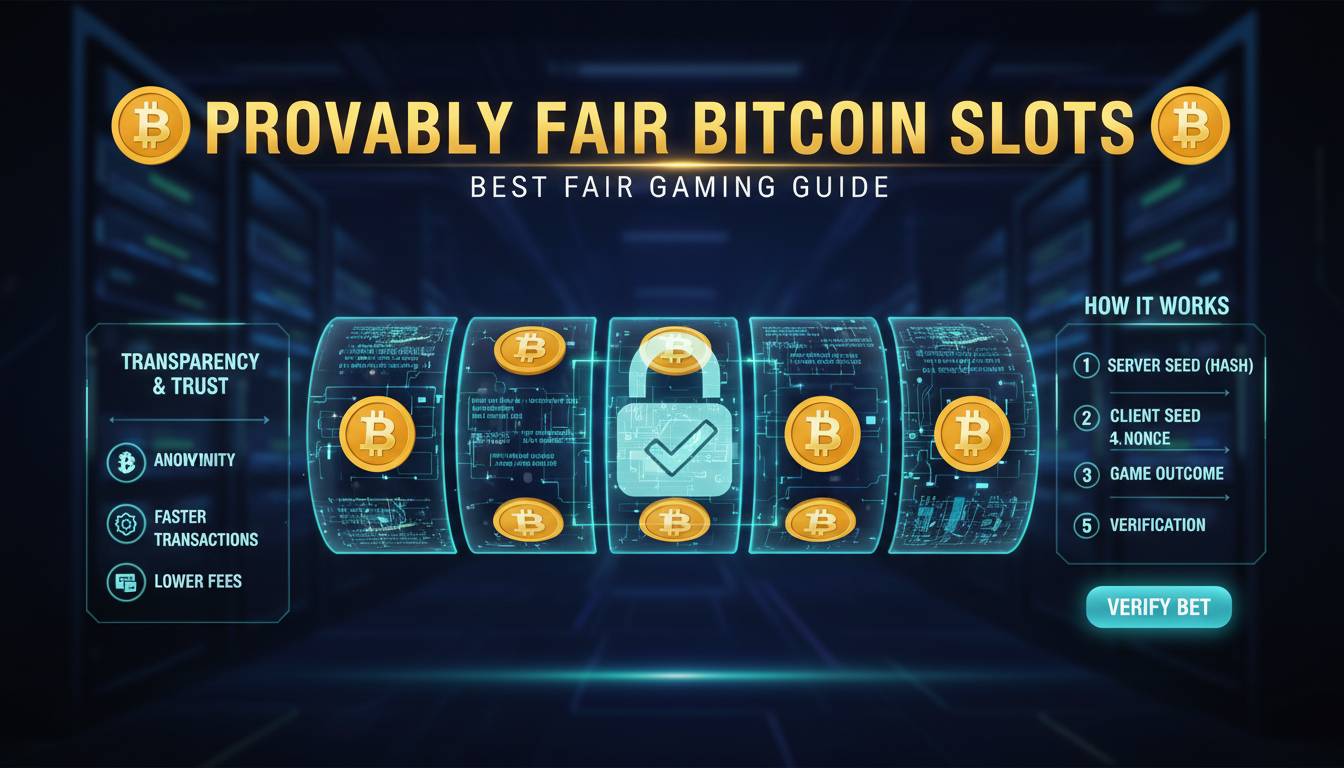
The term “provably fair” refers to a system where players can verify each game outcome independently. Traditional online casinos require players to trust that the house is not manipulating results. Blockchain casinos provide cryptographic proofs that demonstrate the fairness of every spin, hand, or roll. Players receive seeds and hashes they can use to confirm that outcomes were determined fairly and not altered after the fact.
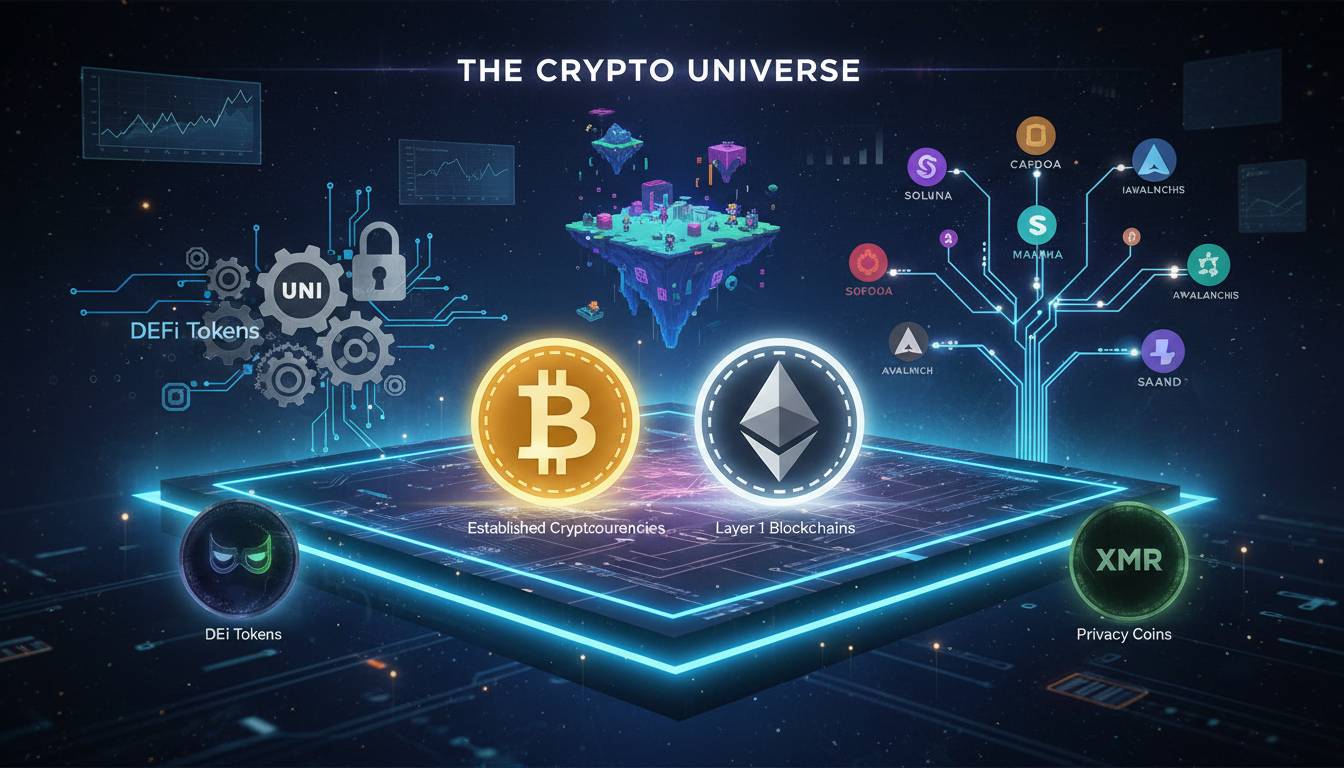
Most blockchain casinos accept multiple cryptocurrencies, including Bitcoin, Ethereum, Litecoin, and various altcoins. Some platforms also offer tokenized versions of traditional casino games, allowing players to wager using custom tokens that may provide additional benefits like reduced house edges or loyalty rewards.
How Blockchain Technology Ensures Fairness
The fairness mechanism in blockchain casinos relies on cryptographic hashing and the concept of server seeds versus client seeds. When a player initiates a game session, the casino generates a server seed and encrypts it using SHA-256 hashing, providing the player with a hashed version. The player simultaneously provides their own client seed. These two seeds combine to determine every game outcome during the session.
What makes this system revolutionary is transparency. After a gaming session concludes, players can access the original unhashed server seed and verify that the outcomes matched the seeds provided. Because the hash was visible before play began, the casino could not have known the outcomes in advance or manipulated results after seeing player bets. The mathematical relationship between seeds and outcomes is immutable once the hash is published.
This represents a fundamental shift in the trust model. Instead of trusting a casino’s licensing authority and random number generator certifications, players verify fairness themselves through code. Open-source blockchain casinos allow technical users to examine the smart contract code directly, ensuring no hidden mechanisms exist to disadvantage players.
The decentralized nature of blockchain also protects against tampering. In traditional casinos, all data resides on operator servers controlled by the house. Blockchain data exists across thousands of nodes simultaneously, making retroactive alteration practically impossible. Even the casino operator cannot change historical results without controlling the majority of the network—a cost-prohibitive scenario for any bad actor.
Instant Withdrawals: The Technology Advantage
One of the most significant advantages blockchain casinos offer is withdrawal speed. Traditional online casinos often impose waiting periods ranging from 24 hours to several business days for withdrawal processing. Players must wait while staff manually verify requests, conduct security checks, and coordinate with payment processors. Some casinos intentionally delay withdrawals to hold player funds longer, a practice that has generated widespread frustration.
Blockchain casinos eliminate these delays through automated smart contracts and direct peer-to-peer transactions. When a player wins and requests withdrawal, the smart contract executes immediately, sending cryptocurrency directly to the player’s wallet. There is no manual approval process, no banking hours to consider, and no third-party payment processors slowing the transfer.
The average withdrawal time on blockchain casinos ranges from seconds to a few minutes, depending on network congestion. Bitcoin transactions may take longer during high-volume periods, while some casinos use faster blockchain networks or their own layer-two solutions to accelerate processing. Players can often withdraw their entire balance instantly, unlike traditional casinos that impose daily, weekly, or monthly withdrawal limits.
This speed extends to deposits as well. While traditional casinos require payment processing that may take days to clear, cryptocurrency deposits appear in player accounts within minutes once the network confirms the transaction. This near-instant gratification allows players to capitalize on gaming opportunities immediately without funding delays.
Advantages Over Traditional Online Casinos
Beyond fairness and speed, blockchain casinos offer several additional advantages that appeal to modern players.
Lower house edges represent one of the most tangible benefits. Traditional online casinos typically maintain house edges between 2% and 10% across various games, generating substantial profit margins. Some blockchain casinos operate with significantly lower edges—sometimes as low as 1%—because reduced operational costs allow operators to offer better player returns while maintaining profitability. These savings pass directly to players through improved odds.
Enhanced privacy attracts players uncomfortable sharing personal financial information. Traditional casinos require extensive verification, including government ID, proof of address, and banking details. Blockchain casinos typically require only a wallet address, allowing players to gamble without exposing sensitive personal data. This anonymity proves particularly valuable in jurisdictions where gambling faces social stigma or legal restrictions.
Global accessibility eliminates geographic restrictions that plague traditional online gambling. Players from countries where online casinos operate in legal gray areas can access blockchain platforms without bank interference. Because cryptocurrency transactions don’t flow through traditional financial institutions, players avoid the declined transactions and account closures that frequently plague traditional online gambling.
Transparent operations extend beyond game fairness to encompass the entire business model. Reputable blockchain casinos often publish their wallet addresses, allowing anyone to verify they maintain sufficient reserves to pay all player balances. Some platforms implement “proof of reserves” systems using Merkle tree verification, enabling players to confirm their individual funds are backed by actual cryptocurrency holdings.
Popular Games on Blockchain Casinos
Blockchain casinos typically offer a familiar catalog of casino games, though some platforms have developed unique options exploiting blockchain capabilities.
Dice games remain among the most popular blockchain gambling options. Players predict whether a randomly generated number will fall above or below a chosen threshold. The simple mechanics and provably fair transparency make dice a foundational blockchain casino game.
Slot machines have translated effectively to blockchain platforms, with many offering progressive jackpots funded through small percentage contributions from each bet. These jackpots can grow substantial as thousands of players across the network contribute to the prize pool.
Card games including poker, blackjack, and baccarat appear on most platforms. Some blockchain poker rooms operate with innovative features like player-versus-player gameplay where the house takes a rake rather than acting as the opponent.
Sports betting integrates with blockchain casinos, allowing players to wager on sporting events using cryptocurrency with instant settlement upon game completion.
Unique blockchain games like “Fomo3D” and various NFT-based games represent innovative attempts to leverage blockchain’s unique capabilities, though these often carry higher risk and volatility than traditional casino offerings.
Risks and Important Considerations
Despite their advantages, blockchain casinos carry risks that players must understand before participating.
Regulatory uncertainty surrounds blockchain gambling globally. While some jurisdictions tolerate or regulate cryptocurrency gambling, others prohibit it explicitly. Players bear responsibility for understanding and complying with their local laws. The decentralized nature of blockchain provides some protection from shutdowns, but players can still face legal consequences for participating in prohibited activities.
Volatility affects cryptocurrency holdings significantly. A player who wins and accumulates winnings in Bitcoin may find the value decreases substantially before they withdraw or convert to fiat currency. Some blockchain casinos offer stablecoin options to mitigate this risk, allowing players to hold winnings in currencies pegged to the US dollar.
Scams and fraudulent platforms proliferate in the unregulated blockchain gambling space. Unlike traditional online casinos requiring licenses and audits, anyone can launch a blockchain casino. Players must thoroughly research platforms before depositing, examining team identities, community reputation, and whether smart contracts have been audited by reputable security firms.
Technical complexity creates barriers for less technologically savvy players. Managing cryptocurrency wallets, understanding seed phrases, and navigating blockchain transactions require technical knowledge that not all players possess. Mistakes like sending cryptocurrency to wrong addresses or losing wallet access result in permanent fund loss with no recovery options.
Problem gambling risks remain present just as with traditional gambling. The instant gratification and easy access of blockchain casinos may exacerbate problematic gambling behaviors for vulnerable individuals. Responsible gambling tools exist on some platforms but are not universally implemented.
Choosing a Reputable Blockchain Casino
Selecting a trustworthy blockchain casino requires careful evaluation of several factors.
Community reputation provides valuable insight into platform reliability. Established cryptocurrency gambling communities maintain discussions about which platforms pay promptly and operate fairly. Negative experiences spread quickly, while consistently reliable platforms earn community trust over time.
Transparency indicators include published source code, public wallet addresses, and third-party audits. Platforms that hide this information raise immediate red flags. The most reputable casinos welcome scrutiny and provide tools for players to verify operations independently.
Licensing and regulation varies widely. Some blockchain casinos operate under legitimate gambling licenses from jurisdictions like Curacao or Malta, while others operate without any regulatory oversight. Licensed platforms offer greater recourse if disputes arise but typically require more extensive identity verification.
Security practices deserve examination. Two-factor authentication, cold storage for funds, and regular security audits indicate operator seriousness about protecting player assets. Platforms that have suffered hacks or security breaches should receive extra scrutiny before players trust them with funds.
Customer support quality can make or break the player experience. Responsive support teams help resolve payment issues, technical problems, and account concerns. Test support responsiveness before making significant deposits.
The Future of Blockchain Gaming
The blockchain casino industry continues evolving rapidly, with several trends shaping its future.
Integration with traditional finance is expanding through cryptocurrency-to-fiat onramps and debit card solutions. Players can now spend blockchain winnings directly through crypto-enabled debit cards that automatically convert cryptocurrency to local currency at point of sale.
NFT gaming is emerging as platforms experiment with non-fungible tokens representing unique in-game assets, collectibles, and even fractional ownership of valuable digital items.
Decentralized autonomous organizations (DAOs) may transform casino governance, allowing token holders to vote on operational decisions and house edge adjustments rather than relying on centralized operators.
Cross-chain compatibility is improving, allowing players to use assets across multiple blockchain networks without manual bridging. This interoperability expands the available player base and liquidity for each platform.
The convergence of blockchain technology with online gambling creates compelling advantages for players seeking transparency, speed, and fairness. While risks remain, platforms that prioritize security and integrity can deliver gaming experiences that traditional casinos struggle to match.
Frequently Asked Questions
Are blockchain casinos legal in Belize?
Online gambling regulations in Belize are relatively permissive compared to many jurisdictions. The Belize Tourism Board oversees some gambling operations, and several online casinos operate legally within the country. However, cryptocurrency gambling specifically exists in a less clearly defined legal space. Players should consult current Belizean regulations and potentially seek legal advice before participating in blockchain casino activities.
How do I get started with a blockchain casino?
To begin playing at a blockchain casino, you need three things: a cryptocurrency wallet (such as MetaMask or Trust Wallet), cryptocurrency funds to deposit, and research selecting a reputable platform. Create an account on your chosen casino, obtain their deposit address, transfer cryptocurrency from your wallet, and wait for confirmation before playing. Start with small bets to verify the platform functions correctly before depositing significant amounts.
Can I verify if a blockchain casino is truly fair?
Yes, most blockchain casinos provide tools for players to verify game fairness. After each game session, you can access the server seed and verify that outcomes were generated using the client seed you provided. Reputable platforms display this information clearly in your account history. For technically advanced verification, you can examine the smart contract code directly to confirm the algorithm matches the claimed fairness system.
What happens if I send cryptocurrency to the wrong address?
Cryptocurrency transactions are irreversible. If you send funds to an incorrect address, you cannot reverse the transaction or recover the funds through any central authority. Double-check all addresses before confirming transactions. Many blockchain casinos display QR codes alongside addresses to reduce typing errors. Some platforms support refund requests if the receiving address belongs to another platform user, but this is not guaranteed.
Do blockchain casinos offer bonuses like traditional casinos?
Many blockchain casinos offer welcome bonuses, deposit matches, and promotional offers similar to traditional online casinos. However, these bonuses often come with different terms due to the transparent nature of blockchain. Some platforms offer “rakeback” programs that return a percentage of house fees over time, while others issue native tokens that appreciate in value based on platform success. Always read bonus terms carefully, as wagering requirements may differ significantly from traditional casino offers.