
Cryptocurrency has evolved from a niche technological experiment into a global financial phenomenon worth trillions of dollars. For investors in Belize and Central America, understanding the legal landscape is essential before committing capital to digital assets. The question “Is cryptocurrency legal?” requires a nuanced answer, as regulations vary significantly across jurisdictions and continue to evolve rapidly.
Quick Answer: Yes, cryptocurrency is legal in Belize. The country has adopted a relatively forward-thinking approach to virtual assets, establishing regulatory frameworks through the International Financial Services Commission (IFSC). Belize is one of the more crypto-friendly jurisdictions in Central America, though investors must navigate specific licensing requirements and compliance obligations.
Understanding Belize’s Regulatory Framework
Belize operates under a distinct regulatory system for cryptocurrency and virtual asset services. The International Financial Services Commission (IFSC) serves as the primary regulatory body overseeing financial services, including those related to cryptocurrency. Unlike some jurisdictions that have banned cryptocurrency outright or maintain ambiguous legal status, Belize has taken deliberate steps to provide legal clarity for digital asset businesses and investors.
The regulatory framework in Belize distinguishes between different types of cryptocurrency activities. Virtual Asset Service Providers (VASPs) must obtain appropriate licensing from the IFSC before operating within the country. This includes cryptocurrency exchanges, custodial wallet providers, and platforms facilitating crypto transactions. The licensing requirements are designed to ensure consumer protection while fostering innovation in the financial technology sector.
Belize’s approach reflects a broader strategy to position itself as a hub for financial innovation in the Caribbean region. The country’s legal system, based on English common law, provides familiar structures for business operations and dispute resolution. This legal foundation offers investors and businesses a degree of predictability that many find attractive when navigating the complex world of digital assets.
Key Laws and Regulatory Bodies
The regulatory landscape for cryptocurrency in Belize comprises several interconnected legal frameworks and governmental bodies. Understanding these institutions is crucial for anyone seeking to operate or invest within the Belizean cryptocurrency ecosystem.
International Financial Services Commission (IFSC): The IFSC serves as the primary regulatory authority for international financial services in Belize. It administers the International Financial Services Commission Act and related legislation. The commission has issued specific guidelines addressing virtual assets and virtual asset service providers, establishing the licensing framework that governs cryptocurrency operations in the country.
The Virtual Assets Service Providers Act: While Belize has not enacted comprehensive standalone cryptocurrency legislation comparable to some jurisdictions, the IFSC operates under existing financial services laws that have been adapted to accommodate virtual assets. The regulatory approach emphasizes flexibility, allowing the commission to adapt to technological developments while maintaining consumer protection standards.
Anti-Money Laundering Requirements: Cryptocurrency businesses operating in Belize must comply with anti-money laundering (AML) and know-your-customer (KYC) obligations. These requirements are consistent with international standards set by the Financial Action Task Force (FATF), of which Belize is a member. Financial institutions and VASPs must implement robust compliance programs to detect and prevent financial crimes.
What Investors Need to Know
For individual investors considering cryptocurrency in Belize, several practical considerations apply. The legal status of holding cryptocurrency for personal investment is not restricted in Belize, meaning residents can purchase, hold, and sell digital assets through compliant platforms. However, investors should understand both the opportunities and risks associated with this asset class.
Tax Implications: Investors should consult with local tax professionals regarding the tax treatment of cryptocurrency transactions in Belize. Tax regulations surrounding digital assets vary and may change as governments worldwide grapple with how to tax cryptocurrency activities. Maintaining accurate records of all transactions is essential for compliance purposes.
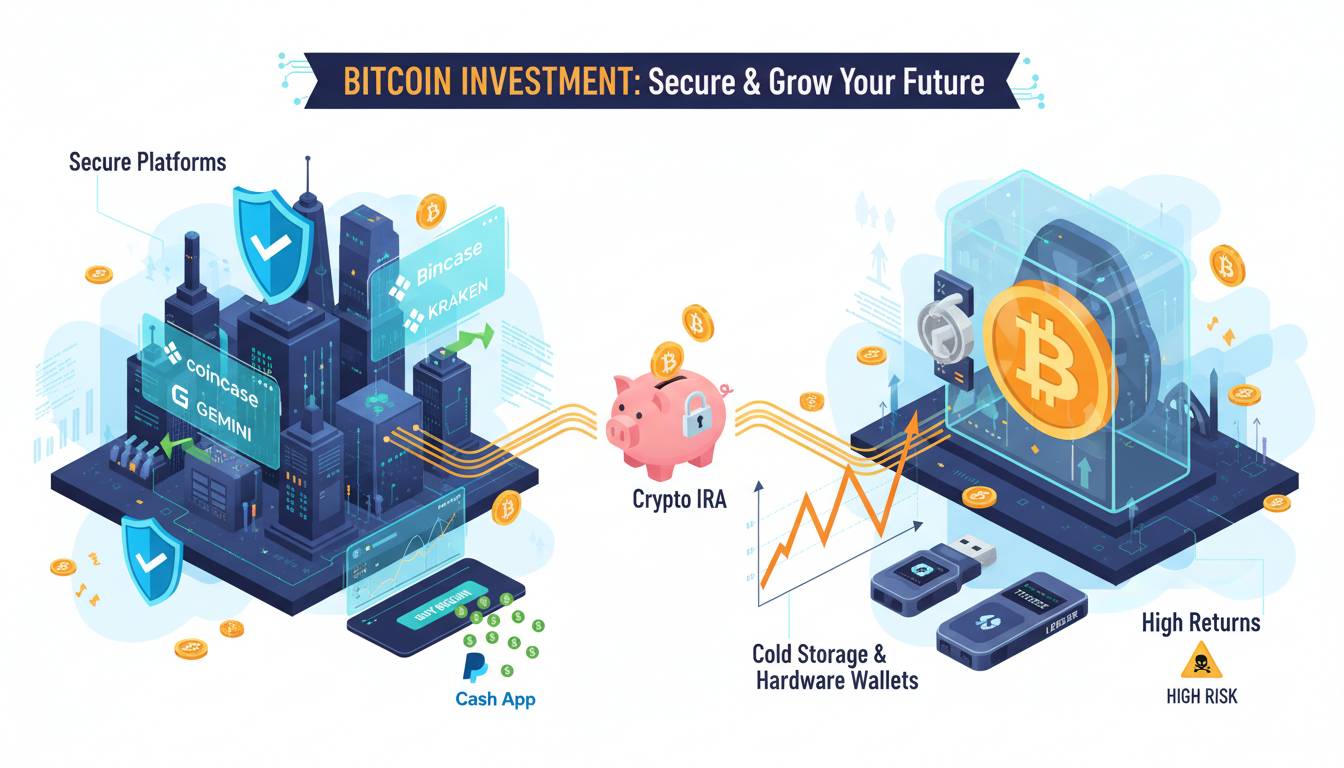
Platform Selection: When choosing cryptocurrency exchanges or trading platforms, investors should prioritize platforms that are properly licensed and compliant with applicable regulations. Unlicensed platforms may offer attractive terms but pose significant risks including fraud, loss of funds, and potential legal complications.
Risk Factors: The cryptocurrency market is known for extreme volatility. Prices can fluctuate dramatically within short periods, leading to substantial gains or losses. Beyond market volatility, investors face risks including hacking, fraud, and the potential for regulatory changes that could affect asset values or trading conditions.
Comparison with Regional Neighbors
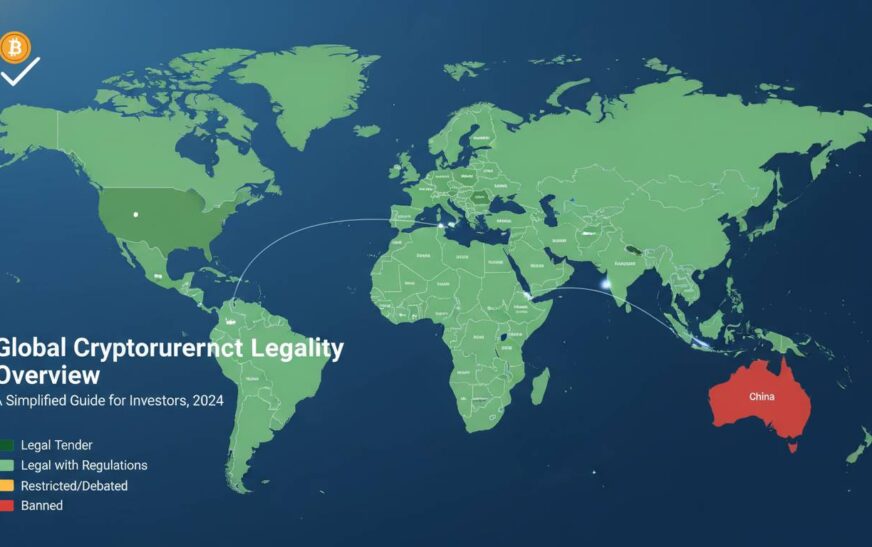
Belize’s approach to cryptocurrency regulation stands in contrast to some neighboring countries in Central America, making it relatively unique in the region. Understanding this regional context helps investors appreciate the advantages and considerations of operating within the Belizean framework.
Guatemala: Guatemala has taken a more cautious approach, with the Central Bank issuing warnings about cryptocurrency risks without establishing comprehensive regulatory frameworks. Cryptocurrency is not officially recognized as legal tender, and regulatory clarity remains limited.
Mexico: Mexico enacted regulatory framework in 2021 requiring cryptocurrency exchanges to register with the Bank of Mexico. The regulations focus primarily on preventing money laundering and terrorist financing while permitting cryptocurrency trading under specific conditions.
El Salvador: Notably, El Salvador became the first country in the world to adopt Bitcoin as legal tender in 2021. This groundbreaking move created a unique legal environment where Bitcoin has official currency status alongside the US dollar. However, this approach differs significantly from Belize’s more traditional regulatory framework.
Belize’s position as a jurisdiction with established regulatory guidance provides greater legal certainty compared to neighbors with unclear or restrictive policies. This regulatory clarity attracts cryptocurrency businesses seeking stable operating environments while offering investors protection through compliance requirements.
Compliance Requirements for Businesses
Businesses intending to operate cryptocurrency-related services in Belize face specific compliance requirements designed to ensure operational integrity and consumer protection. Understanding these requirements is essential for entrepreneurs and companies entering the Belizean cryptocurrency market.
Licensing Process: Virtual Asset Service Providers must apply for licensing through the IFSC. The application process involves demonstrating adequate capital reserves, implementing appropriate compliance frameworks, and meeting governance requirements. The IFSC reviews applications on a case-by-case basis, evaluating the applicant’s ability to operate safely and effectively.
Ongoing Obligations: Licensed VASPs must maintain ongoing compliance with regulatory requirements including regular reporting, audit obligations, and adherence to AML/KYC protocols. The IFSC conducts supervisory activities to ensure continued compliance, with penalties for violations that can include license revocation.
Consumer Protection: Regulatory requirements include provisions designed to protect consumers, such as segregation of client assets and requirements for transparent business practices. These protections provide investors with recourse in cases of platform misconduct, though due diligence remains essential.
Risks and Considerations
Despite Belize’s relatively favorable regulatory environment, participants in the cryptocurrency market face inherent risks that extend beyond legal considerations. Understanding these risks helps investors make informed decisions and implement appropriate protective measures.
Market Volatility: Cryptocurrency markets experience extreme price fluctuations. Bitcoin, the largest cryptocurrency by market capitalization, has experienced declines exceeding 50% from its all-time highs on multiple occasions. Other cryptocurrencies may exhibit even greater volatility, creating potential for significant losses.
Security Threats: Cryptocurrency exchanges and wallets remain attractive targets for hackers. Security breaches have resulted in billions of dollars in losses across the industry. Investors should use hardware wallets for significant holdings, enable two-factor authentication, and exercise caution with online platforms.
Regulatory Uncertainty: While Belize provides relatively clear guidance, the global regulatory environment for cryptocurrency remains fluid. Other countries may implement restrictions that affect cryptocurrency markets, and changes to Belize’s own regulatory framework cannot be ruled out. Staying informed about regulatory developments is essential.
Fraud and Scams: The cryptocurrency space attracts fraudulent schemes including Ponzi programs, fake exchanges, and rug-pull scams. Investors should approach investment opportunities with skepticism, conduct thorough due diligence, and be wary of promises of guaranteed returns.
Best Practices for Investors
Implementing sound practices protects investors navigating the cryptocurrency market in Belize. These guidelines help minimize risks while positioning investors to benefit from legitimate opportunities in the digital asset space.
Education First: Before investing, develop a comprehensive understanding of how cryptocurrencies work, including underlying blockchain technology, wallet security, and transaction processes. Knowledge provides the foundation for making informed decisions and recognizing potential scams.
Diversification: Avoid concentrating investments in single cryptocurrencies or platforms. Diversification across different assets and platforms reduces exposure to individual points of failure.
Secure Storage: For long-term holdings, use hardware wallets that store cryptocurrency offline. These devices provide significantly better security than online wallets or exchange-based storage.
Investment Limits: Only invest capital that you can afford to lose entirely. Cryptocurrency remains a highly speculative asset class, and investors should position their portfolios accordingly.
Professional Advice: Consider consulting with financial advisors and legal professionals familiar with cryptocurrency regulations in Belize. Professional guidance helps navigate complex compliance requirements and investment decisions.
Frequently Asked Questions
Is it legal to buy and hold cryptocurrency in Belize?
Yes, it is legal to buy, hold, and sell cryptocurrency in Belize for personal investment purposes. The country has established a regulatory framework through the International Financial Services Commission that permits virtual asset activities, though businesses operating in the cryptocurrency space must obtain appropriate licensing.
Do I need to pay taxes on cryptocurrency earnings in Belize?
Tax treatment of cryptocurrency in Belize depends on your specific circumstances and the nature of your activities. Individuals earning income from cryptocurrency transactions may be subject to income tax, while trading activities could have capital gains implications. Consulting with a qualified tax professional in Belize is recommended to ensure compliance with applicable tax laws.
Which regulatory body oversees cryptocurrency in Belize?
The International Financial Services Commission (IFSC) serves as the primary regulatory authority for cryptocurrency and virtual asset service providers in Belize. The IFSC issues licenses, establishes compliance requirements, and conducts supervisory activities to ensure market integrity and consumer protection.
Can I operate a cryptocurrency exchange in Belize?
Yes, you can operate a cryptocurrency exchange in Belize by obtaining the appropriate license from the IFSC. The licensing process requires demonstrating adequate capital, implementing AML/KYC compliance programs, and meeting other regulatory requirements. Operating without a license may result in legal penalties.
Is Belize a good jurisdiction for cryptocurrency businesses?
Belize is considered one of the more favorable jurisdictions for cryptocurrency businesses in Central America due to its established regulatory framework, English common law legal system, and relatively clear licensing requirements. However, businesses should carefully evaluate their specific needs and consult with legal professionals before establishing operations.
What protections do investors have in Belize?
Investors using properly licensed cryptocurrency platforms benefit from regulatory requirements including client asset segregation, compliance obligations, and supervisory oversight. However, investors should conduct their own due diligence, as regulatory protections have limitations and the cryptocurrency market inherently carries significant risk.
Conclusion
Belize has established itself as one of the more accommodating jurisdictions for cryptocurrency in Central America. The regulatory framework provided by the International Financial Services Commission offers legal clarity for both businesses and individual investors, creating an environment where cryptocurrency activities can proceed under appropriate oversight.
For investors in Belize, the key takeaways are straightforward: cryptocurrency is legal, compliance requirements exist for businesses, and individual investors can participate in the market through licensed platforms. However, participation requires awareness of the substantial risks inherent in this asset class, including market volatility, security threats, and regulatory uncertainty.
The path forward involves informed decision-making. Investors should educate themselves thoroughly, implement appropriate security measures, consult with qualified professionals regarding tax and legal obligations, and approach the market with realistic expectations. While Belize provides a relatively favorable legal environment, the responsibility for safe and successful cryptocurrency investment ultimately rests with individual participants.
As the global cryptocurrency landscape continues to evolve, Belize’s regulatory approach may adapt to changing circumstances. Staying informed about developments from the IFSC and maintaining compliance with applicable requirements will serve investors well as this dynamic market continues to develop.