
The intersection of blockchain technology and gaming has spawned an entirely new digital economy worth billions of dollars. NFT gaming tokens have emerged as the foundational currency systems powering play-to-earn experiences, enabling players to own in-game assets, earn real value, and participate in virtual economies that mirror real-world markets. Understanding which tokens offer genuine utility—and which are merely speculative hype—has become essential for anyone looking to engage with this rapidly evolving space.
This guide examines the leading NFT gaming tokens, explains how they function within gaming ecosystems, and provides a framework for evaluating them. Whether you’re a seasoned crypto gamer or just exploring the possibilities, we’ll equip you with the knowledge needed to navigate this dynamic market responsibly.
What Are NFT Gaming Tokens?
NFT gaming tokens are cryptocurrencies specifically designed for use within blockchain-based gaming ecosystems. Unlike traditional in-game currencies that remain controlled by game developers and have no external value, these tokens exist on public blockchains, enabling true ownership, transferability, and marketplace trading.
There are two primary categories within this space. Platform tokens like The Sandbox’s SAND and Decentraland’s MANA serve as the native currency for entire virtual worlds, used for purchasing land, avatar customization, and governance rights. In-game tokens like Axie Infinity’s AXS and Illuvium’s ILV reward players for gameplay achievements and can be exchanged for other cryptocurrencies or fiat currency.
The fundamental innovation is ownership. When you purchase an NFT item in a blockchain game, you hold it in your wallet rather than on company servers. This means if a game shuts down, you retain your assets—or can use them in other compatible platforms. This concept, often called “interoperability,” represents a paradigm shift in how we think about digital ownership.
How Play-to-Earn Economics Work
The play-to-earn model fundamentally reimagines gaming as productive labor. Instead of spending hours playing games with no financial return, players earn token rewards that have real market value. This creates genuine economic incentives that have attracted millions of participants, particularly in regions where traditional employment opportunities are limited.
The economics typically work through several mechanisms. Token rewards come from completing quests, winning battles, or achieving milestones within the game. NFT asset appreciation occurs when rare in-game items become more valuable as the player base grows. Staking incentives allow token holders to lock their assets and earn additional rewards, similar to interest-bearing accounts. Marketplace trading enables players to buy low and sell high on secondary markets.
However, understanding the risks is equally important. Token values can be extremely volatile, with daily swings of 20% or more being common. The sustainability of play-to-earn economies depends entirely on continued player adoption—without new participants entering the ecosystem, reward pools can deplete rapidly. Many games also require initial investments in NFT assets to begin earning, creating barriers to entry and potential losses if the game fails to maintain popularity.
Key Factors for Evaluating Gaming Tokens
Before investing in any NFT gaming token, consider these evaluation criteria that distinguish sustainable projects from fleeting trends.
Tokenomics refers to the economic design governing supply, distribution, and utility. Examine the total supply cap, inflation rate, and how tokens are allocated among founders, investors, and community rewards. Tokens with excessive early investor allocations often experience significant selling pressure as those investors liquidate positions.
Utility scope matters beyond mere speculation. The most resilient tokens have multiple use cases: in-game purchases, staking for rewards, governance voting on project direction, and cross-platform compatibility. Broader utility creates consistent demand that supports price stability.
Development team transparency cannot be overstated. Look for teams that undergo regular audits, maintain clear communication channels, and have verifiable track records in gaming or blockchain development. Anonymous teams warrant additional skepticism.
Community engagement serves as a proxy for long-term viability. Active Discord servers, active governance participation, and growing social media followings indicate organic interest rather than manufactured hype.
Partnerships and adoption demonstrate real-world utility. Gaming tokens integrated with major gaming platforms, established brands, or other blockchain projects have stronger fundamentals than those existing in isolation.
Top NFT Gaming Tokens Worth Exploring
Several tokens have established themselves as leaders in the space, though rankings shift rapidly with market conditions and competitive developments.
The Sandbox (SAND) has become one of the most recognized names in virtual real estate and user-generated gaming content. Operating on the Ethereum blockchain, SAND serves as the currency for land purchases, avatar equipment, and experiences within The Sandbox’s voxel-based virtual world. The platform has secured partnerships with major brands including Adidas, Gucci, and Atari, bringing mainstream visibility to the ecosystem. Its voxel art style and accessible creation tools have attracted a diverse creator community building experiences ranging from virtual concerts to interactive art galleries.
Decentraland (MANA) represents a direct competitor in the virtual world space, offering similar land ownership and social experiences on Ethereum. MANA powers all transactions within Decentraland’s 3D virtual environment, from avatar wearables to event tickets. The platform hosts regular events including conferences, concerts, and fashion shows, demonstrating the viability of virtual social spaces. LAND parcels within Prime locations have sold for millions of dollars, indicating significant real value being transacted.
Axie Infinity (AXS) pioneered the play-to-earn movement and remains one of the most actively played blockchain games. Players collect, breed, and battle cute creatures called Axies, earning Smooth Love Potion (SLP) tokens that can be sold for real income. The game reached peak popularity with millions of daily active players, though it has faced challenges including security breaches and economic sustainability questions. AXS token holders participate in governance decisions and can stake for additional rewards, providing utility beyond simple speculation.
Gala (GALA) operates as a decentralized gaming ecosystem supporting multiple games built on its platform. Unlike single-game tokens, Gala’s approach allows various developers to create games within its ecosystem while using GALA for transactions and governance. Games like Town Star and Mirandus have attracted dedicated player bases. The token’s low price point makes it accessible for new participants, though this also means larger percentage moves in either direction.
Illuvium (ILV) distinguishes itself through high-quality graphics and an auto-battler gameplay style that appeals to traditional gamers unfamiliar with blockchain. Built on the Immutable X layer-2 scaling solution, Illuvium offers gas-free trading of NFT assets. The game features capturing and upgrading creatures called Illuvials, with rare variants commanding significant secondary market prices.
Risks and Responsible Participation
The NFT gaming space carries substantial risks that participants must understand before committing capital.
Market volatility in gaming tokens frequently exceeds broader cryptocurrency markets. Tokens can lose 50% or more of their value within weeks based on negative news, competitor releases, or broader market sentiment shifts. Never invest more than you can afford to lose entirely.
Regulatory uncertainty creates additional risk exposure. Governments worldwide are still determining how to classify and tax gaming tokens, with some jurisdictions potentially restricting participation. Future regulations could limit transfers, require licensing, or prohibit certain token types entirely.
Project failure remains common in the space. Thousands of blockchain games have launched and subsequently abandoned, leaving investors with worthless tokens. The “rug pull” phenomenon—where developers quietly extract value and disappear—continues to plague the industry.
Security vulnerabilities present another threat vector. Gaming platforms and associated wallets have been hacked, resulting in millions of dollars in losses. Hardware wallets and careful security practices are essential for anyone holding significant token values.
To participate responsibly, consider these guidelines. Only use disposable income for gaming token investments. Research thoroughly before any purchase, including smart contract audits and team backgrounds. Diversify across multiple projects rather than concentrating in single tokens. Stay updated on project developments and be prepared to exit positions if fundamentals deteriorate.
The Future of NFT Gaming Tokens
The trajectory of NFT gaming tokens points toward mainstream integration, though the path involves ongoing evolution and consolidation.
Interoperability stands as perhaps the most significant development on the horizon. Current blockchain games largely exist as isolated ecosystems, but emerging standards aim to allow NFT assets to move between games and platforms seamlessly. This would fundamentally transform digital ownership, enabling players to use a sword earned in one game within another entirely different game.
Institutional involvement is accelerating as traditional gaming companies observe the market opportunity. Major publishers have begun experimenting with blockchain integration, though many have faced backlash from traditional gaming communities concerned about pay-to-win mechanics. The resolution of this tension will shape how mainstream gaming embraces tokenization.
Regulatory frameworks will mature over the coming years. Clearer rules around securities classification, taxation, and consumer protection will provide greater certainty for participants while potentially limiting some of the more speculative practices currently common in the space.
Technology improvements in blockchain scalability will enable more complex gaming experiences. Current limitations often result in simplified gameplay to accommodate transaction costs and processing times. As layer-2 solutions and next-generation blockchains mature, expect significantly more sophisticated gaming mechanics.
Frequently Asked Questions
Q: Are NFT gaming tokens a good investment?
NFT gaming tokens carry high volatility and risk, making them speculative investments rather than stable stores of value. While some early adopters have realized significant returns, many tokens have also lost substantial value. Only invest what you can afford to lose entirely, and conduct thorough research before committing capital. Consider consulting with a licensed financial advisor familiar with cryptocurrency markets.
Q: How do I safely store gaming tokens?
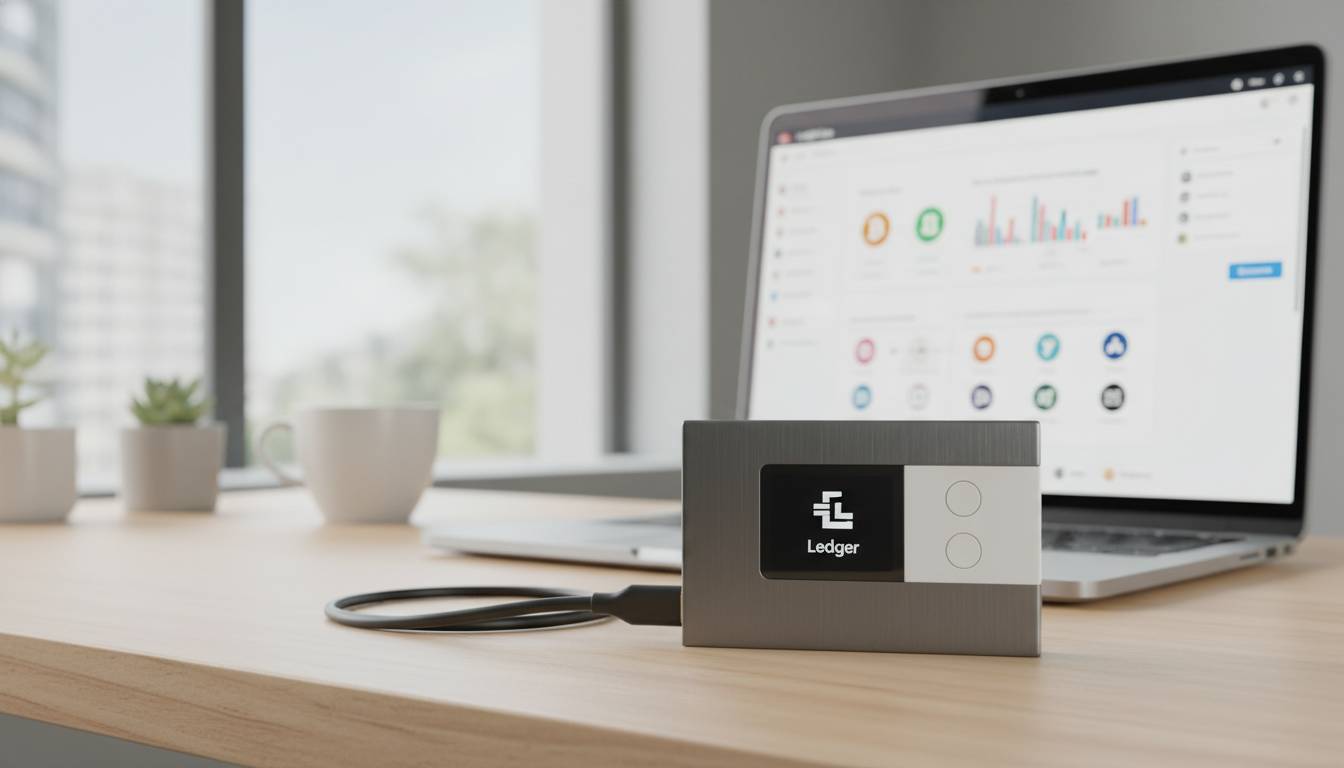
Use reputable cryptocurrency wallets and follow security best practices. Hardware wallets like Ledger or Trezor provide the strongest security for significant holdings. Enable two-factor authentication on all exchange accounts. Never share your private keys or seed phrases with anyone. For gaming-specific NFTs, consider using separate wallets dedicated to gaming activity to limit exposure if compromise occurs.
Q: Can I earn money playing NFT games?
Yes, but earnings are not guaranteed and have declined significantly from peak opportunities. Early play-to-earn games like Axie Infinity offered substantial income potential, but increased competition and token depreciation have reduced returns dramatically. Current earnings often barely exceed the costs of participation, and many players lose money after accounting for initial investment costs and ongoing expenses.
Q: What is the difference between governance tokens and in-game currency?
Governance tokens grant holders voting rights on project decisions, while in-game currencies facilitate transactions within specific games. AXS serves as both Axie Infinity’s governance token and a staking mechanism, while SLP functions purely as a rewards and transaction currency. Governance tokens typically have more sustainable utility since they provide ongoing influence over project direction.
Q: How do I evaluate if a new gaming token is legitimate?
Research the team, tokenomics, and community before investing. Look for transparent teams with verifiable identities and relevant experience. Examine token distribution—excessive allocations to founders or investors signal potential dump risk. Check if the project has undergone security audits from reputable firms. Investigate whether the game actually functions or is merely marketing vaporware. Active, engaged communities with genuine players indicate healthier projects than those populated primarily by speculative investors.
Conclusion
NFT gaming tokens represent a fascinating intersection of blockchain technology, gaming culture, and economic innovation. The leading platforms—SAND, MANA, AXS, GALA, and ILV—have demonstrated that genuine utility can support multi-billion dollar ecosystems built on digital ownership and player empowerment.
However, this space demands careful navigation. Volatility remains extreme, regulatory frameworks remain uncertain, and the distinction between sustainable projects and speculative collapses often becomes clear only in hindsight. The most successful participants approach NFT gaming with clear expectations: understand the risks, invest only what you can afford to lose, and prioritize projects with genuine utility over those riding momentary hype.
The fundamental thesis—that players should own their in-game assets and have opportunities to earn real value—appears increasingly valid as the gaming industry evolves. Whether you’re interested in virtual real estate, collectible creatures, or simply exploring what blockchain gaming offers, approach this space as you would any emerging technology: with curiosity, caution, and clear-eyed assessment of both opportunities and risks.