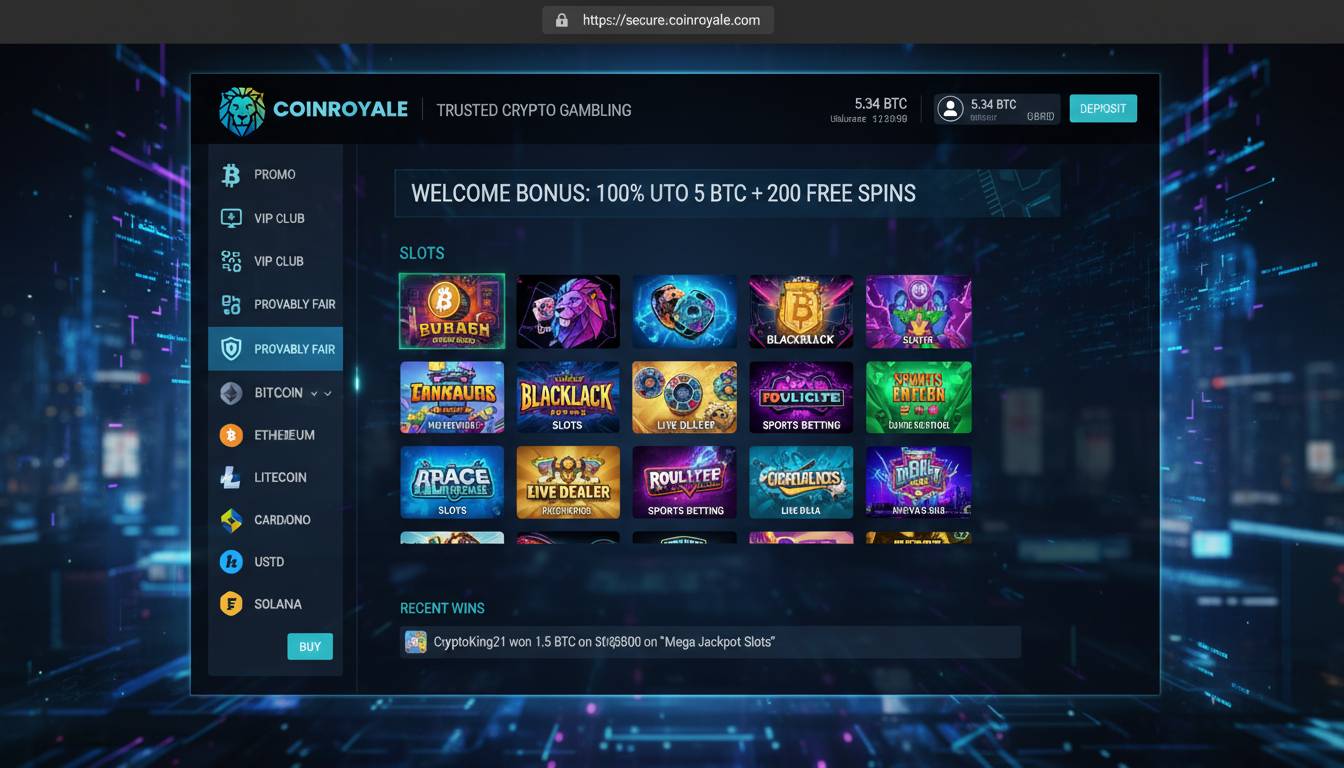

The intersection of cryptocurrency and online gambling has created a rapidly evolving landscape that attracts millions of players worldwide. For those in Belize and other jurisdictions exploring crypto casinos, understanding how to identify legitimate platforms versus potential scams has become essential knowledge. This comprehensive guide examines the critical factors that distinguish trustworthy crypto gambling sites from unreliable operators, providing you with the information needed to make informed decisions about online gaming with digital currencies.
The emergence of cryptocurrency as a payment method in online gambling offers several potential advantages, including faster transactions, increased privacy, and the ability to bypass traditional banking restrictions. However, these benefits come with significant risks that every player should understand before engaging with any crypto casino platform. The decentralized nature of cryptocurrency creates unique challenges for regulatory oversight, making it crucial for players to conduct thorough due diligence before depositing any funds.
This article will walk you through the essential criteria for evaluating crypto casino trustworthiness, the regulatory environment surrounding digital currency gambling, and practical steps you can take to protect yourself while navigating this complex space. Whether you are new to crypto gambling or seeking to improve your safety practices, the information provided here will help you approach these platforms with greater confidence and awareness.
Understanding Crypto Casinos and Their Operational Framework
Crypto casinos operate similarly to traditional online casinos but accept cryptocurrency as a primary payment method. These platforms typically allow players to deposit, wager, and withdraw using Bitcoin, Ethereum, and other digital currencies. The underlying technology—blockchain—provides transparency through publicly verifiable transactions, though this transparency does not necessarily guarantee fair gameplay or platform legitimacy.
The operational framework of crypto casinos differs significantly from their fiat-based counterparts in several important ways. First, transaction speeds are generally faster since they bypass traditional banking networks and their associated processing times. Second, many crypto casinos offer provably fair gaming algorithms that theoretically allow players to verify the randomness of game outcomes through cryptographic hashing. Third, the pseudonymous nature of cryptocurrency transactions provides players with enhanced privacy compared to traditional payment methods.
However, the same features that make crypto casinos attractive also create opportunities for bad actors. The difficulty in reversing transactions, limited chargeback options, and challenges in holding operators accountable across jurisdictions all contribute to an environment where players must exercise heightened vigilance. Understanding these fundamental characteristics sets the stage for evaluating specific platforms effectively.
Licensing and Regulatory Considerations
When assessing any crypto casino, the first and most critical factor to examine is its licensing and regulatory status. Legitimate gambling operators typically hold licenses from recognized regulatory bodies, though the crypto gambling space presents unique challenges due to varying international regulations. In Belize specifically, the Online Gaming Act of 1996 established the regulatory framework for internet gambling operations, though the landscape has evolved significantly since its implementation.
Licensing requirements vary considerably across jurisdictions, and not all licenses carry equal weight. Reputable regulatory bodies include the Malta Gaming Authority, the UK Gambling Commission, the Gibraltar Regulatory Authority, and the Curacao eGaming licensing office. Each of these bodies imposes different requirements on licensed operators, including financial reserves, security protocols, and player protection measures.
It is worth noting that many crypto casinos operate under licenses from less stringent jurisdictions or operate without any visible licensing information. The absence of clear licensing details should serve as an immediate red flag. Players should verify licensing claims independently by visiting the regulator’s website and confirming the license number provided by the casino. This verification step is essential because some platforms display fake license information to appear legitimate.
The regulatory status of crypto gambling continues to evolve globally, with different countries taking varying approaches to classification and oversight. Players bear responsibility for understanding their local laws, as participation in online gambling may carry legal implications depending on jurisdiction.
Security Measures and Platform Integrity
Trusted crypto casinos invest heavily in security infrastructure to protect player funds and data. The security evaluation should encompass multiple dimensions, starting with the platform’s technical infrastructure. Look for casinos that utilize cold storage for the majority of their cryptocurrency holdings, keeping reserves offline to protect against hacking attempts. Hot wallets should represent only a small percentage of total funds and should be insured or backed by reserves.
Encryption protocols represent another critical security layer. Legitimate platforms implement SSL (Secure Socket Layer) or TLS (Transport Layer Security) encryption to protect data transmitted between players and the casino servers. You can verify this by checking for “https://” in the URL and the presence of a padlock icon in your browser’s address bar. Beyond web encryption, reputable casinos implement two-factor authentication (2FA) for player accounts, adding an extra verification step during login and withdrawal processes.
The integrity of game software deserves careful attention as well. Trusted platforms typically partner with established game developers and may utilize provably fair systems that allow players to verify game outcomes. While provably fair algorithms do not guarantee a platform’s honesty, they demonstrate a commitment to transparency. Additionally, look for casinos that publish regular auditing reports from independent testing agencies such as eCOGRA, iTech Labs, or similar organizations that verify game fairness and random number generation.
Reputation Analysis and Community Trust
Researching a crypto casino’s reputation provides invaluable insights that go beyond surface-level appearances. The cryptocurrency gambling community is relatively tight-knit, with players frequently sharing experiences on forums, social media platforms, and specialized review sites. These community discussions often reveal information about payout reliability, customer service quality, and potential issues that may not be immediately apparent from the casino’s own materials.
When evaluating reputation, consider the breadth and recency of available information. A platform with mostly positive reviews from the past several months warrants more confidence than one with mixed feedback spanning several years. Pay particular attention to how the casino responds to negative reviews—legitimate operators typically address concerns professionally and work toward resolution, while less trustworthy platforms may dismiss complaints or become defensive.
Red flags in reputation research include consistent reports of delayed or withheld payouts, unresponsive customer support, sudden account closures without explanation, and allegations of rigged games. No platform will have universally positive reviews, but the pattern of complaints matters significantly. Additionally, be cautious of review sites that appear to only feature positive content or that lack detailed, specific feedback from verified players.
Payment Processing and Withdrawal Practices
The payment practices of a crypto casino reveal much about its operational integrity and financial stability. Trusted platforms typically process withdrawals within reasonable timeframes—generally ranging from immediate to a few business days, depending on the cryptocurrency and network conditions. Excessive delays, especially when becoming a pattern rather than an exception, may indicate cash flow problems or intentional obstruction.
Understanding the deposit and withdrawal process requires familiarity with blockchain transaction mechanics. While crypto transactions themselves are typically fast, casinos may implement additional processing time for security verification. The key distinction lies between delays caused by blockchain confirmation requirements versus those stemming from the casino’s internal review processes. Reputable platforms clearly communicate their withdrawal policies, including any verification requirements that may cause temporary holds.
Transaction minimums and maximums, along with any associated fees, should be clearly disclosed. Some platforms absorb transaction costs as a business expense, while others pass network fees to players. Additionally, be alert to bonus terms that create seemingly impossible rollover requirements, effectively trapping player funds. Legitimate casinos make their terms clearly accessible, while less reputable operations may bury crucial information in lengthy terms of service documents that players rarely read thoroughly.
Responsible Gambling and Player Protection
Trusted crypto casinos recognize the importance of promoting responsible gambling practices. This commitment manifests through various tools and policies designed to help players maintain control over their gaming activities. Look for platforms that offer deposit limits, session reminders, and self-exclusion options that allow players to temporarily or permanently suspend their accounts.
Reality checks represent another valuable protection feature, providing players with periodic notifications about time spent playing and amounts wagered. These tools prove particularly useful in the crypto environment, where the digital nature of transactions can make spending feel less tangible than with physical currency. The best platforms make these features easily accessible without requiring extensive navigation through account settings.
Beyond individual player tools, reputable operators contribute to broader responsible gambling initiatives and display information about organizations that provide support for problem gambling. In Belize, players can access resources through local mental health services and international organizations such as Gamblers Anonymous. The availability and prominence of these resources often correlates with a platform’s genuine commitment to player welfare rather than purely extractive practices.
Risk Assessment and Financial Considerations
Engaging with crypto casinos carries inherent financial risks that players must acknowledge and manage appropriately. The volatility of cryptocurrency values means that the worth of deposits and winnings can fluctuate significantly between the time of deposit and withdrawal. A winning session could become less valuable if the underlying cryptocurrency loses substantial value before cashing out.
From a financial management perspective, players should never gamble with money they cannot afford to lose—a principle that applies to all forms of gambling regardless of the currency involved. The excitement of potential wins should not obscure the statistical reality that the vast majority of players lose money over time. Setting strict budgets, establishing loss limits, and never chasing losses represent fundamental practices for anyone choosing to engage with these platforms.
Tax implications represent another financial consideration that players must navigate independently. The treatment of gambling winnings varies by jurisdiction, and the emergence of cryptocurrency adds complexity to an already intricate tax landscape. Players bear responsibility for understanding and complying with their local tax obligations, including reporting requirements for gambling income regardless of the currency received.
Frequently Asked Questions
Is online gambling with cryptocurrency legal in Belize?
The legal status of online gambling in Belize operates under the Interactive Gaming Act of 1996, which established a licensing framework for internet gaming operations. However, the regulatory landscape has evolved considerably since that legislation was passed, and the application of these laws to cryptocurrency gambling specifically remains somewhat ambiguous. Players should consult with legal professionals familiar with Belizean law to understand their specific situation, as enforcement patterns can vary and individual circumstances may differ significantly.
How can I verify if a crypto casino’s license is legitimate?
To verify a casino’s licensing claims, visit the website of the licensing authority specified by the casino. Most reputable regulators maintain public registries where you can search by license number or company name. Cross-reference the casino’s stated license details with this official source. Be skeptical of casinos that only display license information as images or that cannot provide verification through independent channels.
What should I do if a crypto casino refuses to process my withdrawal?
If you encounter withdrawal issues, first review the platform’s terms to ensure you have met all verification and rollover requirements. Document all communications with customer support, including dates and specific requests. If the casino remains unresponsive after reasonable attempts at resolution, you can file complaints with the licensing authority (if applicable) and with consumer protection organizations. Unfortunately, the decentralized nature of cryptocurrency transactions limits recovery options in many cases.
Are provably fair games guaranteed to be fair?
Provably fair systems use cryptographic algorithms that allow players to verify that game outcomes were not manipulated after the fact. However, this technology verifies randomness rather than guaranteeing that the casino does not have mathematical advantages built into the games. The house always maintains an edge in casino games by design. Provably fair systems primarily demonstrate that the casino did not alter results for specific players after knowing their bets.
How do I protect my cryptocurrency wallet when gambling online?
Protect your gambling wallet by using a separate wallet dedicated to gaming activities rather than your primary holdings. Enable two-factor authentication on any associated accounts, use strong unique passwords, and consider hardware wallets for storing significant amounts. Only deposit funds you intend to use for gaming rather than maintaining balances on casino platforms, which reduces exposure in case of security breaches.